Salmon Fishing the Muskegon River


Every fall in the Midwest, a cycle of life completes itself as Coho and Chinook salmon leave the great lakes and migrate up their natal rivers to spawn.  Either via fish stocking or natural reproduction, these great game fish begin their lives in the coldwater rivers of Michigan and soon find themselves as the dominant resident of their respective great lake, although Lake Michigan prevails as the dominant salmon fishery of the 5 great lakes.

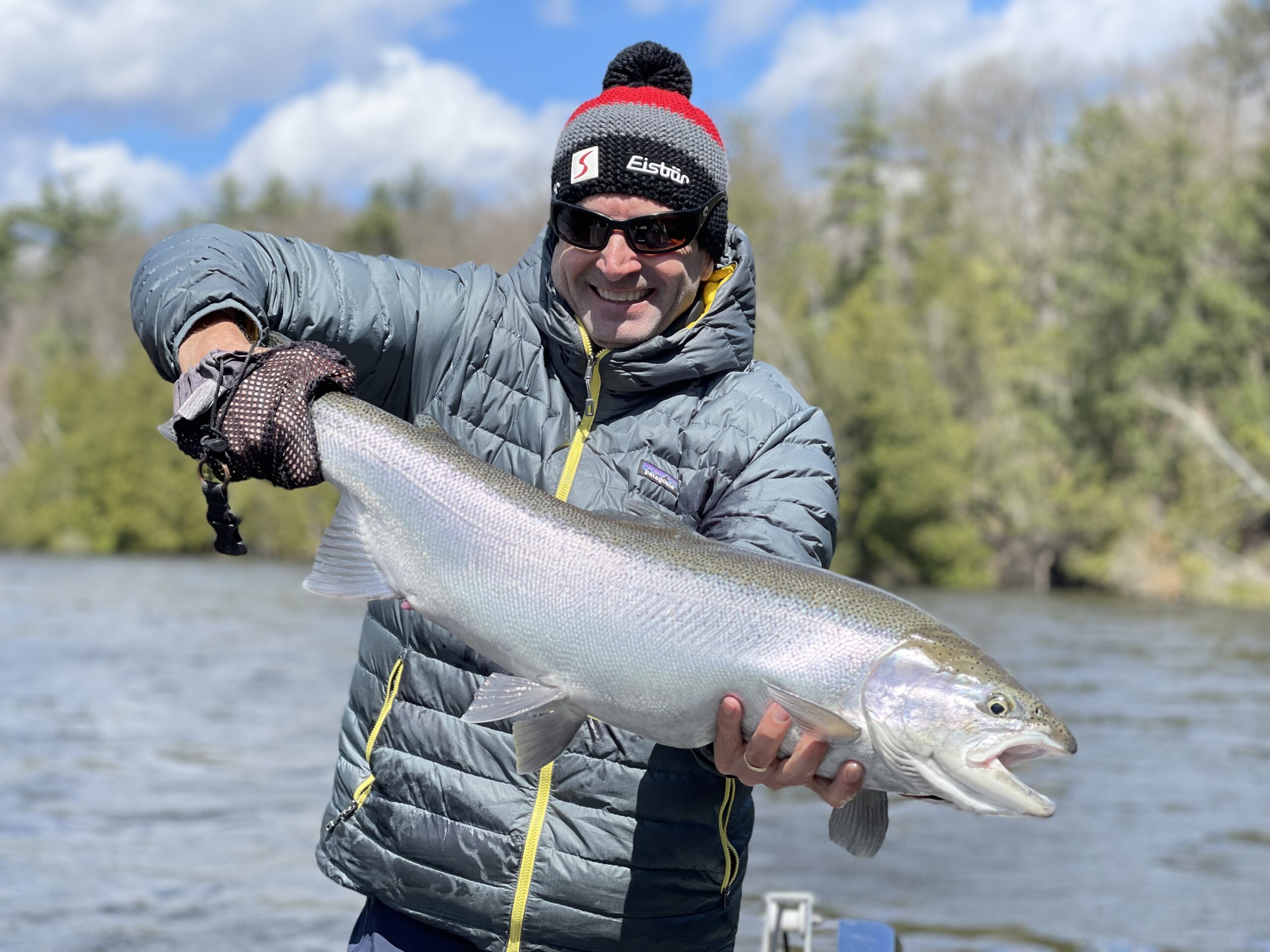
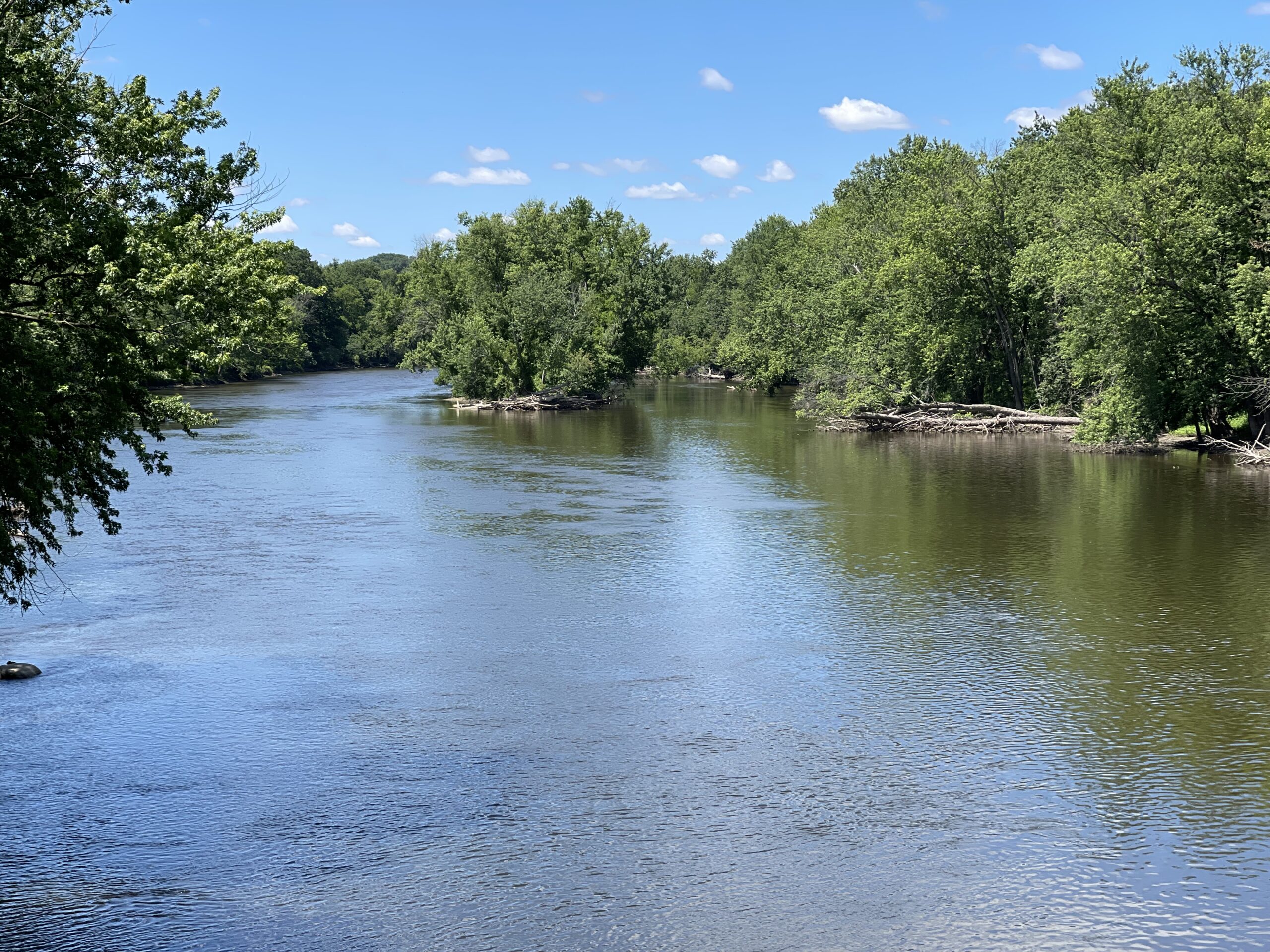
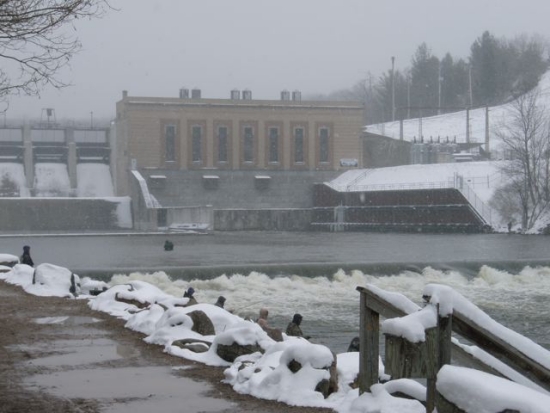
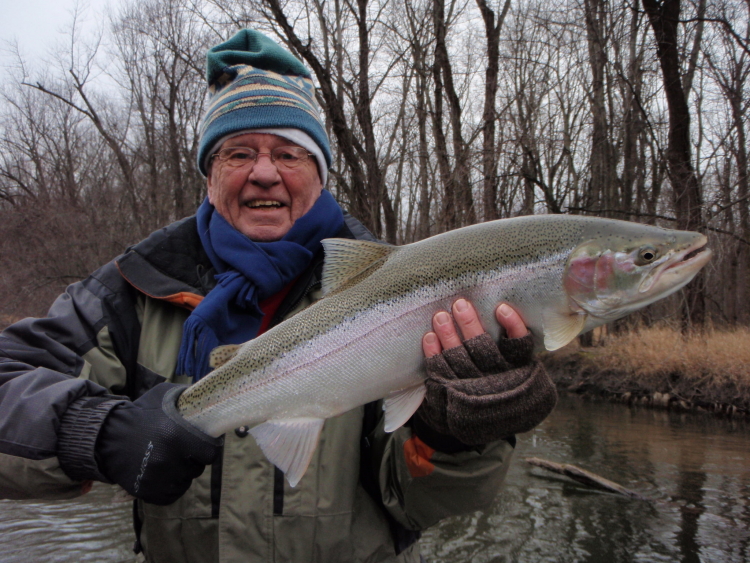
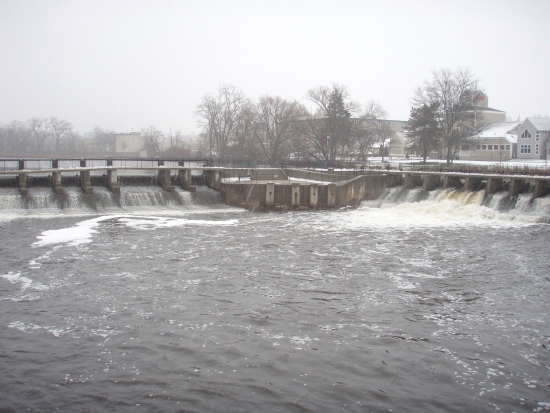
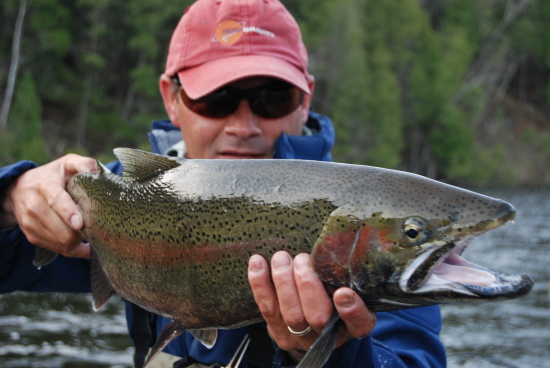
One of the longest rivers in Michigan, the Muskegon River, serves the role as host to some of the largest salmon runs in the Midwest.  This “big water” fishery begins near the historic town of Grayling, Michigan and flows south, then west to the port town of Muskegon, Michigan where it empties into Lake Michigan itself.  Between its origin and end, the Muskegon River has a number of dams, the last being the Croton hydroelectric dam near the town of Newaygo, Michigan.  None of these dams have fish ladders or means for passage, so all of the salmons migrating ends in the Newaygo area.  Although some Coho salmon do run up the Muskegon, the Chinook dominate and can be found by the thousands in mid-late October each year.   These great game fish can range from 10-20 pounds or more, however the size of our salmon the last few years has gotten a little smaller as the baitfish to game fish ratio begins to correct itself in Lake Michigan.

We pursue the mighty “king” with fly rods in the 8-10 weight range and with good, large arbor reels to battle these freshwater brutes.  The pound test line used can vary, although 8-10 # will do just fine in most instances.  Techniques vary, although the most productive for fly fishing Michigan salmon in a river include bottom bounce “chuck-n-duck”, as well as floating line and indicator nymphing.    The chuck-n-duck style of fishing can be done from either the comfort of a boat or while wade fishing, although line management can be a challenge when casting great distances while wading the river.  The floating fly line and indicator rig can also be effectively fished by both wading and boat fishing, although it’s often best to wade fish while using this technique for a number of reasons.  Utilizing very long, 2 handed rods, a.k.a. “spey rods”, is a great way to pursue salmon with the floating line and indicator technique.

The first salmon show up anywhere from late August to late September, although the primary migration doesn’t begin until water temperatures drop below the 60 degree mark, which is usually early October.   They can be found in the river through mid to late November, however October is the prime month for our Chinook salmon on the Muskegon River.

Once in the river system, salmon are either “staging” or “spawning” and available during both phases of their migration to the angler.  The staging fish are those who have come up the river, but their body is simply not ready for the actual spawning process.  They can stage anywhere from a couple days to a couple weeks and do so in deep, dark pools and runs that provide them cover.  The later in the run, the shorter the staging period, as dropping water temperatures make for a quicker turnaround time from “run” to “spawn”.   Since Chinook salmon are essentially done eating as they enter the river mouths, they are in the process of dying throughout their spawn and end their lives following the completion of the reproduction process.

The Muskegon River is one of many to receive good salmon runs each year and we often find ourselves searching out alternate rivers early in the cycle of the spawning run in late August and early September.  This said, the Muskegon River is one of the last rivers to get these migratory fish in each fall will most certainly find good numbers of them in the river each October.

For additional information or specific details on this great fall fishery, please call 616-656-4172, or click HERE to send an email.

Take care !

Jeff


Back to Home Page


This website is powered by TipTopWebsite.com